Electric toothbrush vs manual toothbrush: dental hygienist recommendation
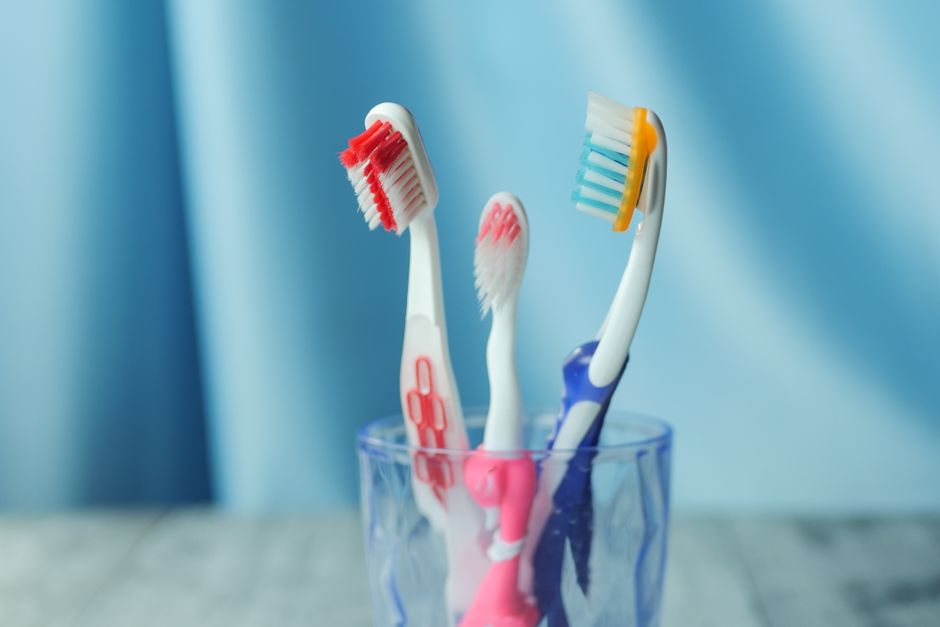
If you’re wondering whether to swap your manual brush for an electric one, a clear, evidence‑based answer is that an electric toothbrush typically offers better plaque removal and is easier to use for patients with limited dexterity or dental anxiety, making it the preferred choice for most people in North Vancouver and the Greater Vancouver area. The enhanced motorised action, built‑in timers, and pressure‑sensing technology give users an extra level of assurance that their daily cleaning is thorough and consistent, which is especially valuable for those who struggle with the manual technique. However, the decision shouldn’t be driven solely by the brush type. A high‑quality manual toothbrush—particularly one with a soft‑bristle head, ergonomic grip, and angled brush tip—can still provide excellent plaque control if used properly. Manual brushing allows for precise control in tight spaces, which can be advantageous for patients who prefer a more tactile experience or those who have certain dental conditions that benefit from a gentle touch. From a hygienist’s perspective, the key is to assess each patient’s needs: dexterity, budget, personal preference, and anxiety level. For many of our clients at Vibrant Smile Dental, the anxiety‑free environment and gentle approach to preventive care make electric brushes a natural fit. They feel empowered by the clear visual feedback of plaque removal and the automated rhythm that eliminates the worry of missing spots. If cost is a concern, a manual brush typically costs less upfront and there’s no need to replace the battery or brush head as frequently as some electric models. Yet, over time, the superior plaque‑removal efficiency of an electric brush can translate into fewer visits for scaling and root planing, ultimately saving money and chair‑time. For those with sensitive teeth or who are just starting to adopt a new oral hygiene routine, a manual brush paired with a desensitising toothpaste can be an effective stepping stone. As you progress, you might find that upgrading to an electric brush feels like a natural evolution of your dental care—especially if you’re dealing with orthodontic appliances or need extra support in managing gum disease. Ultimately, whether you choose an electric or manual toothbrush, the most important factor is consistency and technique. Regular brushing twice a day, combined with flossing or interdental cleaning, ensures that plaque does not build up, regardless of the brush type you select. Should you need help deciding, our team at Vibrant Smile Dental is happy to provide a personalised assessment and demonstrate how each brush type can fit into your daily routine.
Related Guide: How much does a teeth cleaning cost in North Vancouver?
Frequently Asked Questions
Does using an electric toothbrush actually reduce plaque more than a manual one?↓
Yes, most dental hygienists, including those at Vibrant Smile Dental, find that an electric toothbrush—especially models with oscillating heads—can remove up to 40% more plaque than a manual brush when used correctly.
Can people with dental anxiety still benefit from an electric toothbrush?↓
Absolutely. The gentle, consistent motion of an electric brush can lessen the urge to over‑brush, which many anxious patients worry about, making it a comfortable option for maintaining oral health.
Are there any downsides to switching to an electric toothbrush?↓
The main considerations are the higher upfront cost and the need to replace brush heads regularly; however, many insurers and the Canadian Dental Care Plan cover part of the expense, easing the financial impact.
How should I choose the right electric toothbrush for preventive care?↓
Look for features such as pressure sensors, timer alerts, and soft bristle heads; these align with a preventive‑focused approach and help avoid unnecessary wear on teeth and gums.
Looking for a Gentle Dental Cleaning in North Vancouver?
Visit our friendly, modern clinic for professional hygiene care, stain removal, and personalized dental exams.